
EVs are showing up in more West Kentucky driveways every year, and the number one question we hear is simple: what does it take to charge at home? The short answer is a Level 2 charger and a properly installed 240-volt circuit. The longer answer — cost, panel capacity, and a few local quirks — is what this guide is about.
Charging at home is cheaper and far more convenient than hunting for public stations, but a safe install is more than just plugging a charger into the wall.
Level 1 vs. Level 2 charging
Level 1 charging uses a standard 120-volt outlet and the cord that came with your car. It adds only about 3 to 5 miles of range per hour — fine for a plug-in hybrid or a low-mileage commuter, but painfully slow for a full EV.
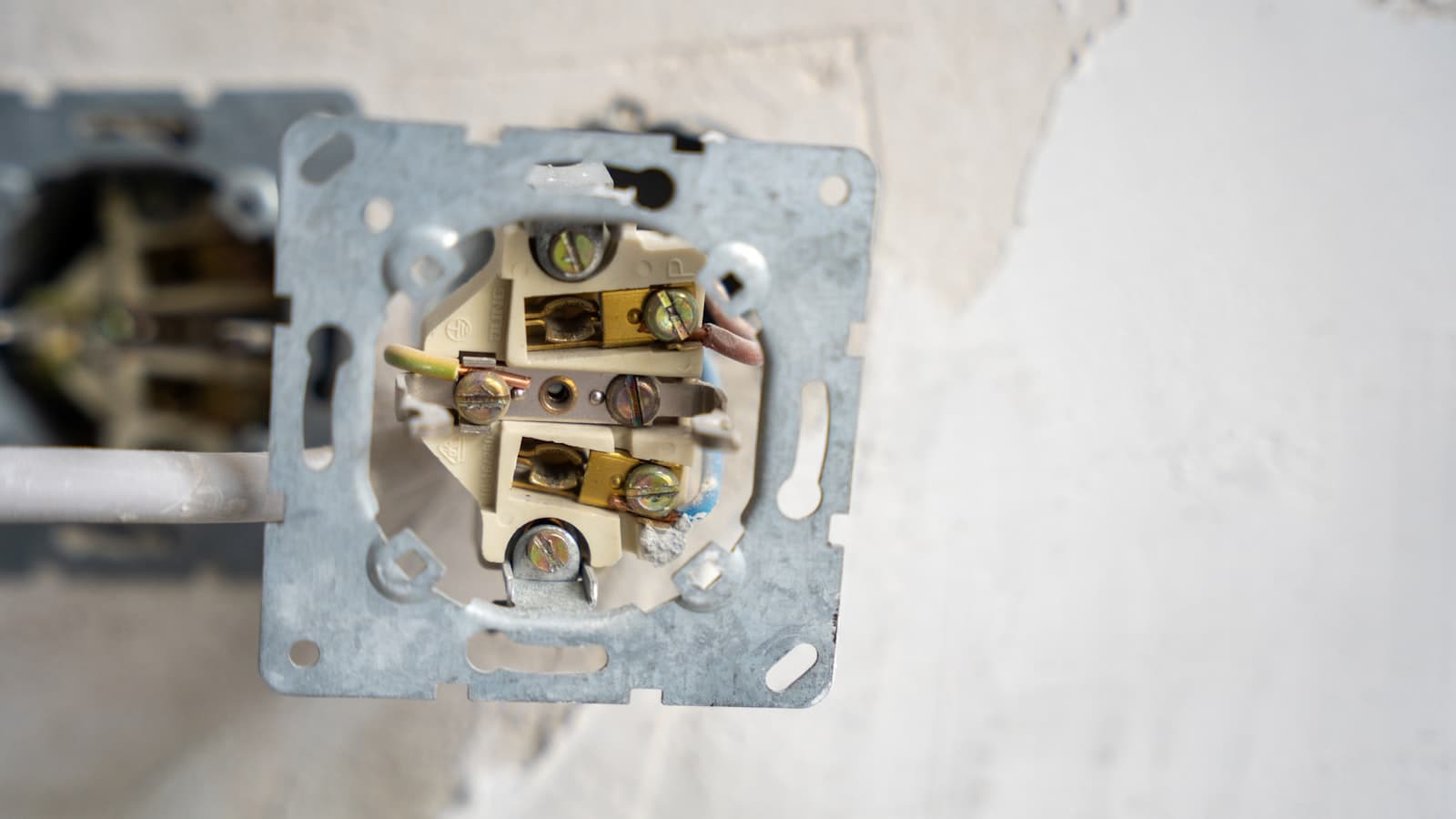
Level 2 charging uses a 240-volt circuit, like your electric dryer or range, and adds roughly 20 to 40 miles of range per hour. For most EV owners, a Level 2 charger means you plug in overnight and wake up full. It’s the setup the vast majority of our customers want.
What home EV charger installation costs
Most professionally installed Level 2 chargers run between $800 and $2,500, with the average landing around $1,200 to $2,000 before any incentives. The big variables are:
- Distance from your electrical panel to the charger location — longer runs mean more wire and labor.
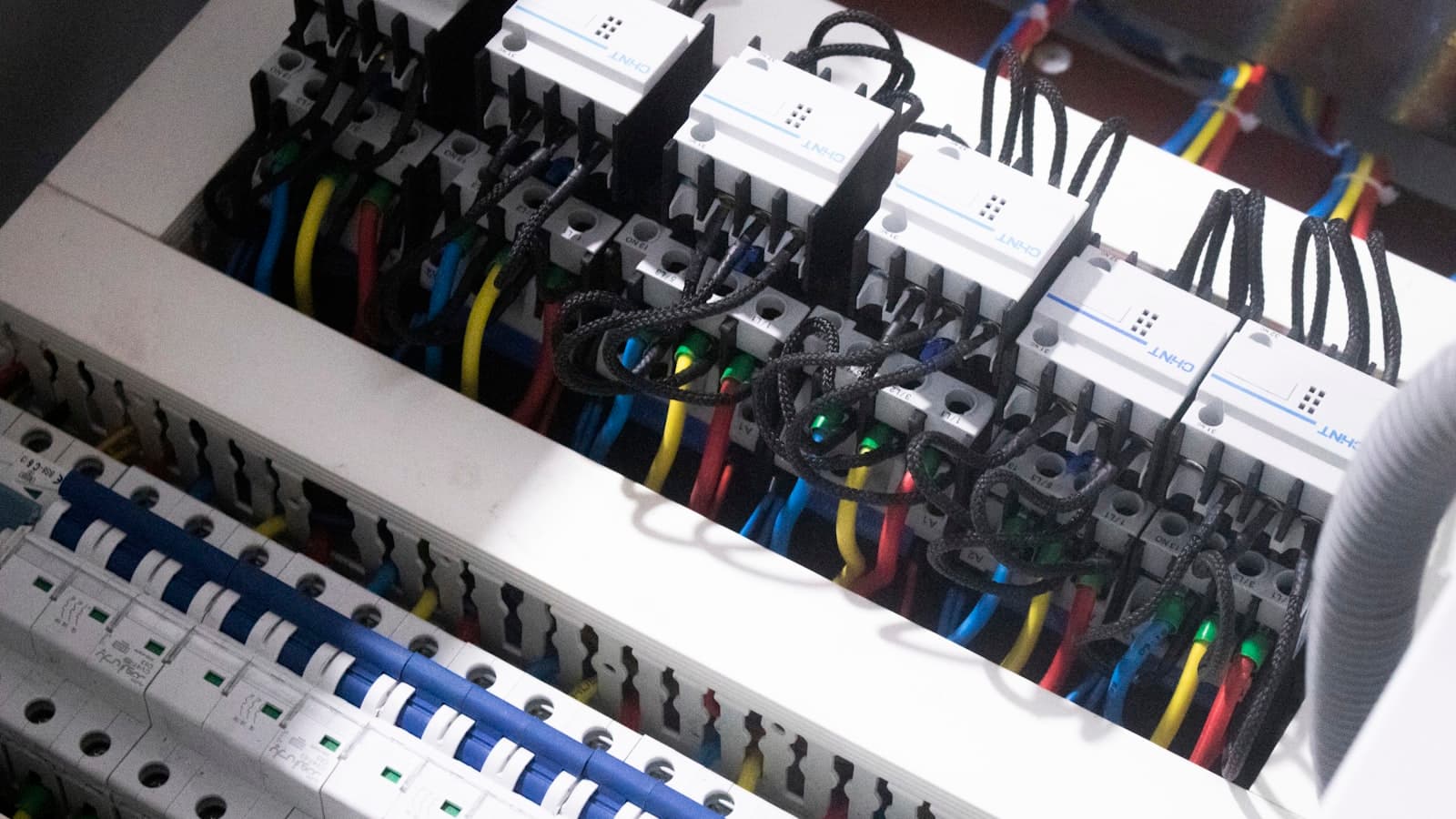
- Whether your panel has a free 240-volt breaker slot and enough capacity.
- Whether the run is an easy interior path or requires trenching, conduit, or finished-wall fishing.
- The charger itself — hardwired units and smart Wi-Fi chargers cost more than basic models.
When you might need a panel upgrade first
A Level 2 charger is a substantial load. If your home still has a 100-amp service or your panel is already full, you may need a panel upgrade or a load-management device before the charger can be added safely. This is the single most common surprise for EV buyers, which is why we always check your panel before quoting.
The good news: a quick assessment tells us exactly what your home needs, so there are no mid-project shocks.
Why hire a licensed electrician?
An EV charger pulls high current for hours at a time. A loose connection or undersized wire that might be tolerable on a lightly used circuit becomes a real fire hazard here. Professional installation ensures correct wire sizing, breaker selection, GFCI protection where required, and a permitted, inspected job that won’t void your charger’s warranty or your home insurance.
Gallimore Electrical Contractors installs Level 2 chargers for homeowners across West Kentucky and West Tennessee, and we’ll tell you up front if a panel upgrade is needed. Contact us for a free estimate on your EV charger installation.
Frequently Asked Questions
Can I just plug my EV charger into a regular outlet?+
You can use Level 1 charging from a standard 120-volt outlet, but it’s very slow — only a few miles of range per hour. For practical daily charging, you’ll want a 240-volt Level 2 circuit installed by a licensed electrician.
Do I need a panel upgrade to install an EV charger?+
Not always. If you have a 200-amp service with open breaker space, often no upgrade is needed. Homes with 100-amp service or full panels may need an upgrade or a load-management device first. We check your panel before quoting so there are no surprises.
How long does EV charger installation take?+
A straightforward Level 2 installation is usually completed in a few hours to a single day. Jobs that require a panel upgrade, long wire runs, or trenching take longer. We give you a clear timeline with your estimate.
Need help with ev charger installation?
GEC has you covered across West KY & TN.
Gallimore Electrical Contractors
Murray, KY's trusted electrician since 2010 — licensed in KY & TN, 35+ years of experience, and an authorized Generac Select Dealer. Questions about your project?
(270) 759-0890