There’s real satisfaction in fixing things around the house yourself, and plenty of electrical tasks are genuinely DIY-friendly. But electricity is unforgiving — there’s no ‘mostly right’ when a mistake can mean electrocution, a hidden fire, a failed home sale, or a voided insurance claim. The goal of this guide isn’t to scare you off; it’s to help you know which side of the line a job falls on.
When in doubt, the safest answer is to call a licensed electrician. Here’s how to tell.
Generally safe for a confident homeowner
With the power off and basic care, most homeowners can handle:
- Replacing a light fixture or ceiling fan on an existing box (within weight limits).
- Swapping a standard switch or outlet for an identical type.
- Replacing a plug or lamp cord.
- Resetting a tripped breaker or GFCI (once — repeated trips need a pro).
- Installing a smart thermostat or smart switch with no new wiring.
Call a licensed electrician for these
These jobs carry real risk, require permits, or both — leave them to a pro:
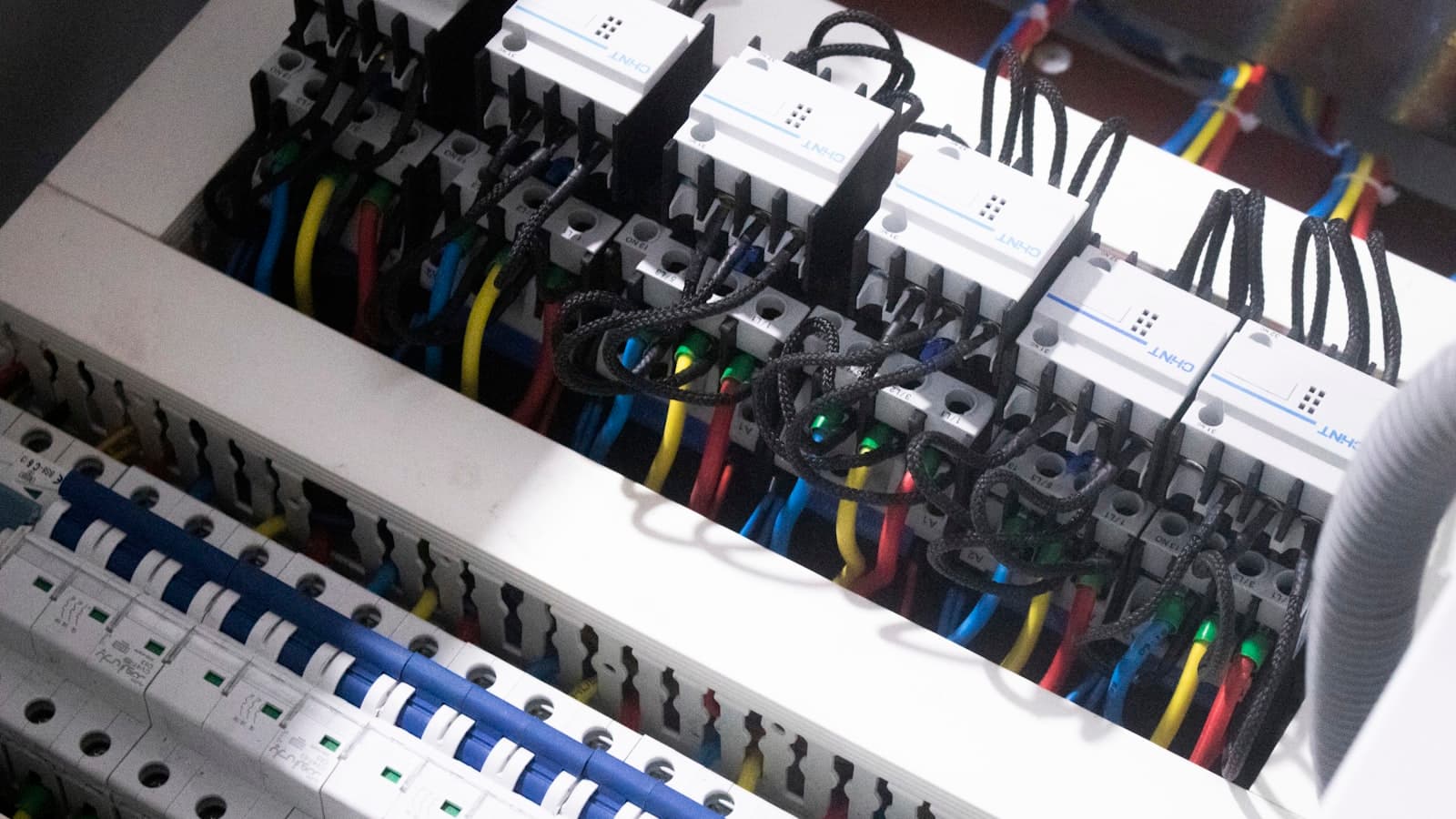
- Anything inside or involving the main electrical panel.
- Adding new circuits, outlets, or dedicated lines.
- 240-volt work — EV chargers, dryers, ranges, hot tubs.
- Any aluminum wiring, knob-and-tube, or work in older homes with outdated wiring.
- Diagnosing a burning smell, repeated breaker trips, or warm outlets.
- Anything outdoors, underground, or exposed to moisture.
Permits aren’t just red tape
Major electrical work legally requires a permit and inspection in most jurisdictions, and for good reason. Unpermitted work can derail a home sale, void your homeowner’s insurance after a fire, and — most importantly — hide a dangerous mistake that no one ever catches. A licensed electrician handles the permit and the inspection as part of the job, so your work is documented and verified safe.
The honest test
Ask yourself three questions: Does this involve the panel or a new circuit? Does it involve 240 volts? Does it require a permit? If the answer to any is yes — or if you’re simply not sure — call a professional. The cost of doing it right is almost always less than the cost of doing it twice, or worse.
Gallimore Electrical Contractors is happy to take on the jobs that aren’t DIY-friendly — safely, to code, and with the permit handled for you. Serving homeowners across West Kentucky and West Tennessee, we offer free estimates. Contact us when a project is bigger than a screwdriver.
Frequently Asked Questions
Is it legal to do my own electrical work?+
In many areas a homeowner can legally do some electrical work on their own home, but major work still requires a permit and inspection. Just as important, doing it incorrectly can void insurance and create fire risk. When work involves the panel, new circuits, or 240 volts, hire a licensed electrician.
Can I replace an outlet or switch myself?+
Swapping a standard outlet or switch for an identical type is generally DIY-friendly if you turn off the breaker, verify the power is off, and wire it exactly as before. If you find aluminum wiring, scorching, or anything unfamiliar, stop and call a pro.
Why shouldn’t I work in my own electrical panel?+
The main panel carries lethal voltage even with the main breaker off, because the incoming utility lugs stay live. Panel work also requires permits and code knowledge. The risk of electrocution and fire makes this a job for a licensed electrician, every time.
Need help with residential electrical?
GEC has you covered across West KY & TN.
Gallimore Electrical Contractors
Murray, KY's trusted electrician since 2010 — licensed in KY & TN, 35+ years of experience, and an authorized Generac Select Dealer. Questions about your project?
(270) 759-0890