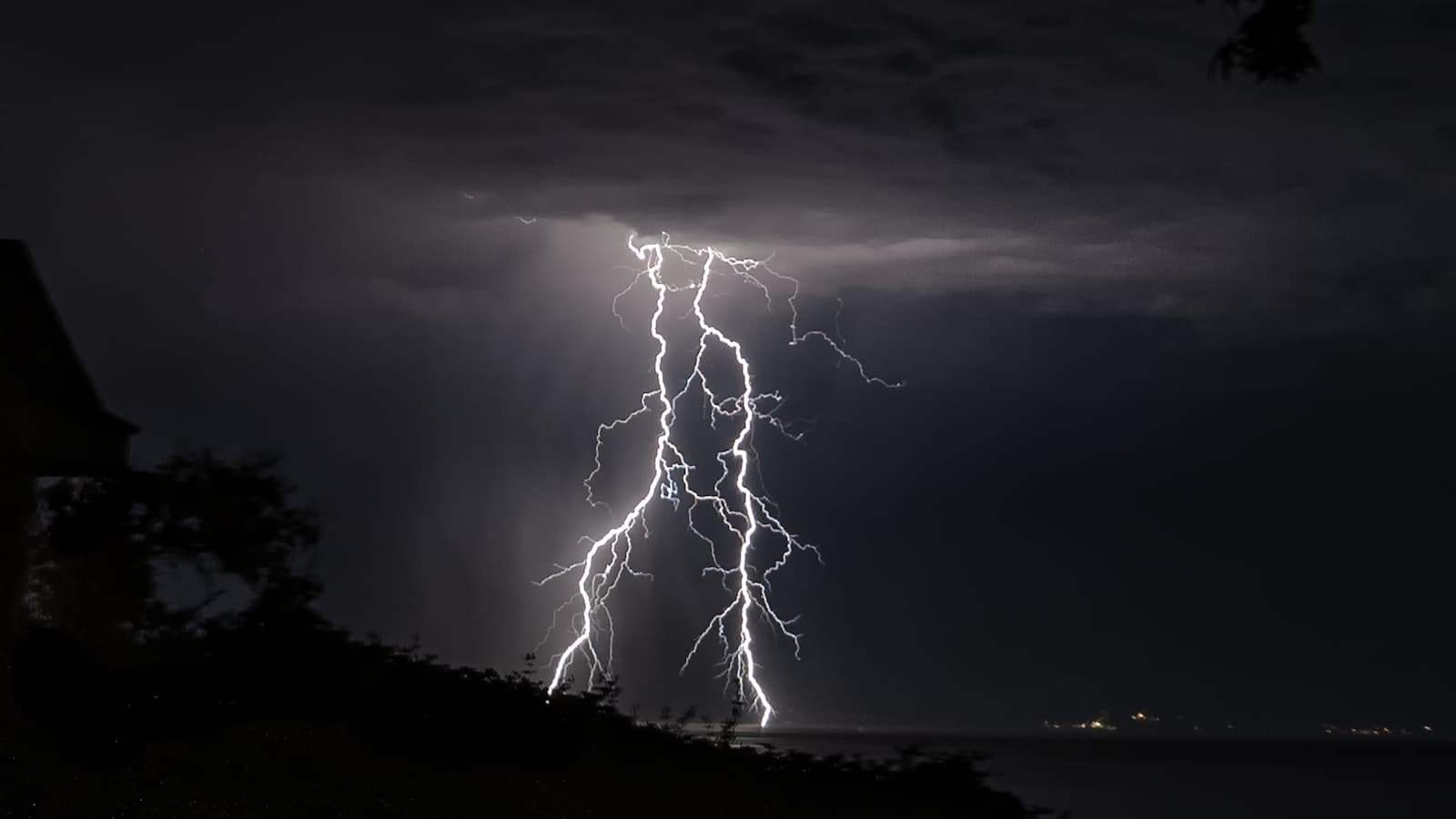
West Kentucky gets its share of severe weather — spring thunderstorms, summer lightning, and the grid hiccups that come with both. Every one of those events can send a voltage spike through your wiring, and modern homes are full of sensitive electronics that don’t take spikes well. That’s where whole-home surge protection comes in.
Most people own a power strip or two with surge protection built in. Useful — but they only guard what’s plugged into them. Whole-home protection works at the source.
What a whole-home surge protector does
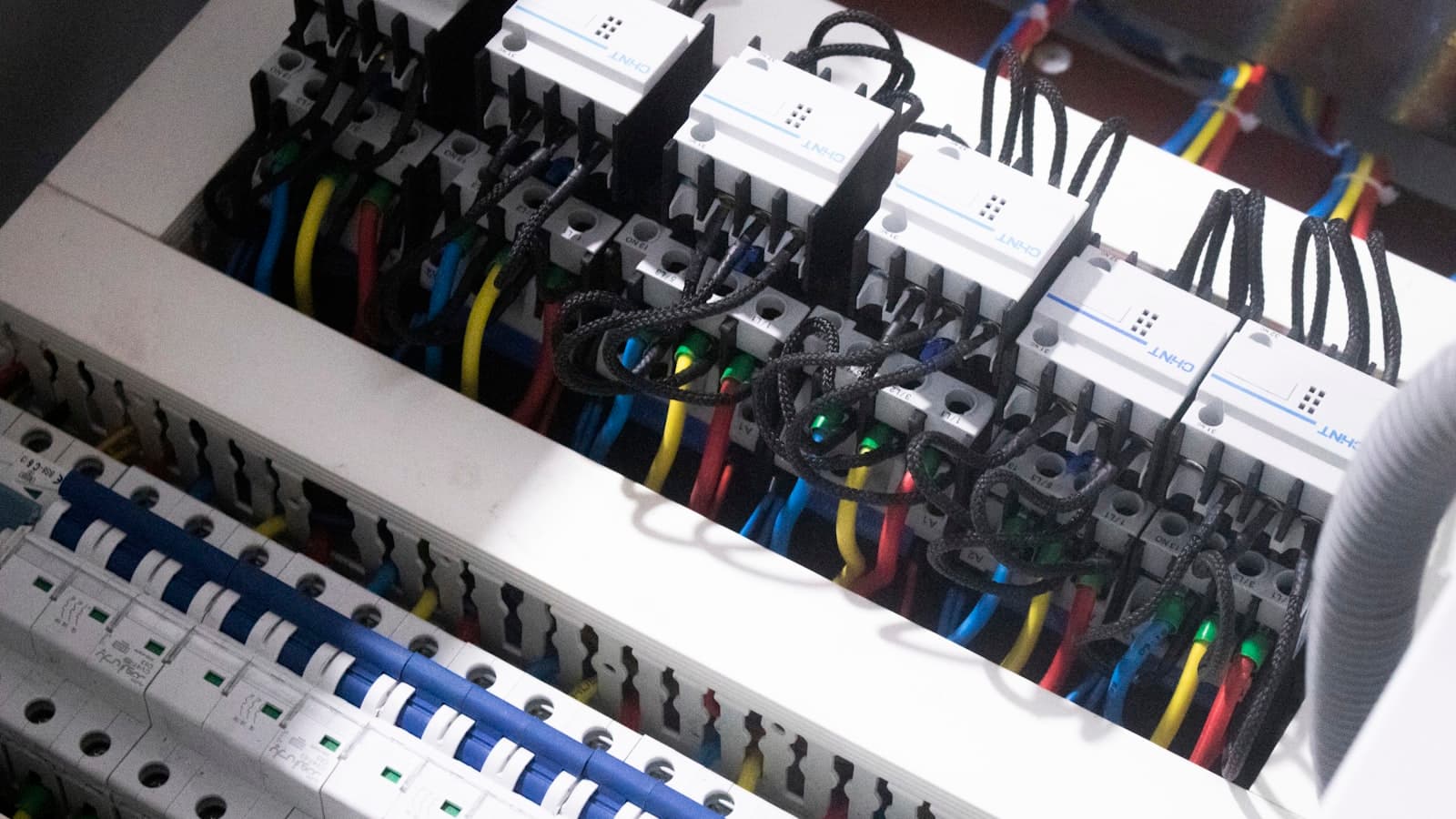
A whole-home surge protective device (SPD) is installed at your electrical panel, right near the main breaker. When a surge enters your home — from a lightning strike nearby, a utility switching event, or even a large appliance cycling on — the SPD diverts that excess voltage safely to ground before it reaches your circuits.
Because it sits at the panel, it protects everything downstream: your HVAC system, refrigerator, water heater, well pump, garage door opener, and the EV charger or smart devices that plug-in strips can’t cover.
Why point-of-use strips aren’t enough
Plug-in surge strips are a fine second layer for a computer or TV, but they have real limits:
- They only protect the devices plugged directly into them.
- They do nothing for hardwired equipment like your AC, oven, or water heater.
- They wear out silently — many keep powering devices long after their protection is gone.
- A big surge can overwhelm them entirely.
What it costs and whether it’s worth it
A professionally installed whole-home surge protector typically costs $300 to $800, including the device and labor. Compare that to the cost of replacing an HVAC control board, a smart appliance, or a houseful of electronics after a single bad strike, and the math usually favors protection.
It’s most worthwhile if you live in a lightning-prone area (most of West Kentucky qualifies), own expensive appliances or electronics, have an EV charger or solar, or simply don’t want to gamble your home’s electronics on the next storm.
The best setup is layered: a whole-home SPD at the panel plus point-of-use protectors on your most sensitive gear. Gallimore Electrical Contractors installs panel-mounted surge protection for homeowners across West Kentucky and West Tennessee. Contact us for a free estimate and we’ll add it during your next service or panel upgrade.
Frequently Asked Questions
Is a whole-home surge protector worth it?+
For most homes in storm-prone areas like West Kentucky, yes. At $300 to $800 installed, it can protect thousands of dollars in HVAC equipment, appliances, and electronics from a single surge — far more than plug-in strips can cover.
Where is a whole-home surge protector installed?+
It’s installed at your electrical panel, ideally in the first breaker slots next to the main breaker. That placement lets it intercept surges before they travel into your home’s circuits, so it must be installed by a licensed electrician.
Do whole-home surge protectors wear out?+
Yes. SPDs absorb surges over time and eventually need replacement, which is why quality units have an indicator light. We can check yours during routine service and replace it when its protection is spent.
Need help with residential electrical?
GEC has you covered across West KY & TN.
Gallimore Electrical Contractors
Murray, KY's trusted electrician since 2010 — licensed in KY & TN, 35+ years of experience, and an authorized Generac Select Dealer. Questions about your project?
(270) 759-0890